


Laminate vs. Hardwood Flooring in Auckland: Which Is Right for Your Home?
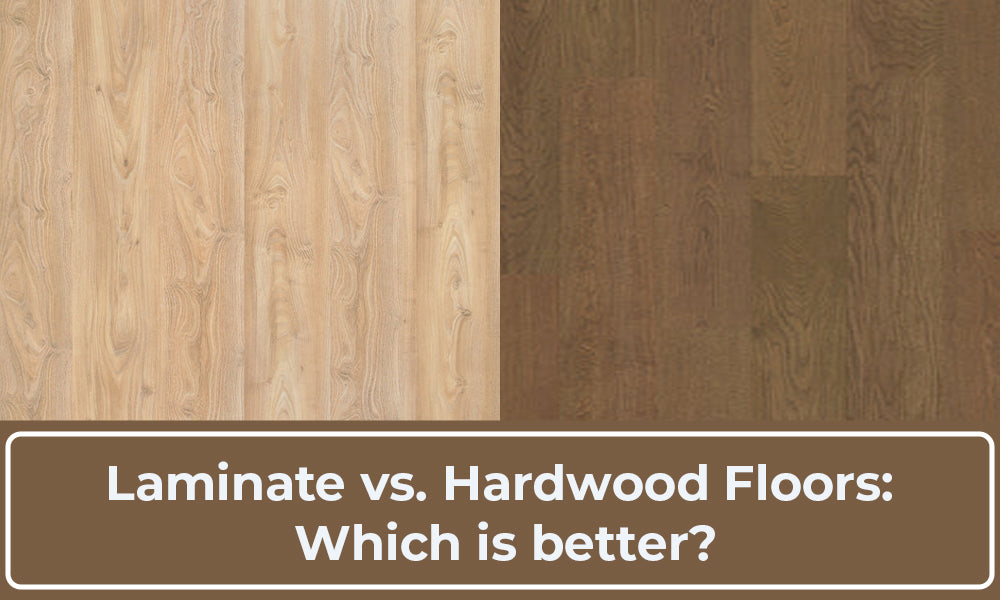
Choosing between laminate and hardwood flooring is one of the biggest decisions you'll make during a home renovation. Both look stunning and can completely transform a living space — but they perform very differently depending on your lifestyle, budget, and the specific conditions of your Auckland home.
This guide breaks down everything you need to know: real costs, lifespan, performance in New Zealand's humid climate, installation requirements, and which flooring type genuinely suits your situation. No fluff, no guesswork — just practical guidance from the flooring specialists at Prime Floors.
What Is Laminate Flooring?
Laminate flooring is a multi-layer synthetic product engineered to replicate the appearance of natural timber — and increasingly, natural stone. It consists of four primary layers:
- A wear layer (the top protective coating, rated by AC classification)
- A decorative layer (a high-resolution photographic film of wood grain or stone)
- A core layer (high-density fibreboard or HDF, giving it rigidity and shape)
- A backing layer (moisture barrier that stabilises the board)
Modern laminate flooring has come a long way since it first appeared in the 1970s. Today's options feature realistic embossed textures, bevelled edges, and wider planks that are difficult to distinguish from real timber. The wear layer — measured by the AC (Abrasion Criteria) rating system — determines how resistant the floor is to scratches, dents, and fading. For residential use in New Zealand, an AC3 or AC4 rating is recommended.
What Is Hardwood Flooring?
Hardwood flooring is milled from solid timber — typically oak, pine, bamboo, or native New Zealand species like rimu or kauri. Each plank is cut from a single piece of wood, giving it a natural variation in grain, colour, and texture that no synthetic product can fully replicate.
Hardwood Flooring has been used in New Zealand homes for over a century, and for good reason. It ages beautifully, can be sanded and refinished multiple times across its lifespan, and consistently adds measurable resale value to a property. Architects and interior designers continue to specify it for premium residential and commercial projects because of its warmth, authenticity, and longevity.
Note: If you're comparing engineered hardwood or SPC flooring, see our dedicated guides on those products. This article focuses specifically on laminate vs. solid hardwood.
At a Glance: Laminate vs. Hardwood Comparison
Use the table below to quickly compare the two flooring types across the factors that matter most to Auckland homeowners.
|
Factor |
Laminate Flooring |
Hardwood Flooring |
|
Cost (supply only) |
~$20–$50 per m² |
~$50–$120 per m² |
|
Lifespan |
15–25 years |
25–100+ years (refinishable) |
|
Water Resistance |
Moderate (avoid prolonged moisture). Some Laminate Collections are Water-Resistant |
Low (warps with moisture) |
|
Scratch Resistance |
High (AC3–AC5 rating) |
Moderate (depends on species & finish) |
|
Refinishing |
Not possible |
Yes (3–5 times over its life) |
|
DIY Installation |
Yes (floating click system) |
Can be complex (nail/glue-down) |
|
Resale Value Impact |
Modest improvement |
Significant premium (5–10%) |
|
Best For |
High-traffic, pets, kids, rentals |
Living rooms, bedrooms, heritage homes |
|
Underfloor Heating |
Check manufacturer specs |
Engineered hardwood preferred |
|
NZ Climate Suitability |
Stable in humid conditions |
Needs acclimatisation (7–14 days) |
Cost Comparison: What Will You Actually Pay in Auckland?
Budget is often the first filter when choosing flooring — and there's a significant price gap between laminate and hardwood.
Laminate Flooring Costs
In New Zealand, laminate flooring typically costs between $20 and $50 per square metre for the product itself. Installation by a professional flooring installer adds approximately $20–$35 per m², depending on the complexity of the subfloor and layout. For a standard 50m² living area, expect to budget $2,000–$4,000 all-inclusive.
Hardwood Flooring Costs
Solid hardwood flooring ranges from $50 to $120+ per m² for supply, with installation typically costing $35–$60 per m² due to the additional skill and time required for nail-down or glue-down methods. For the same 50m² space, a realistic budget is $4,500–$9,000.
|
💡 Tip |
If hardwood appeals to you but budget is a concern, consider engineered hardwood — it delivers a real timber surface layer at a lower price point, and performs better in homes with underfloor heating. Ask our team about Prime Floors' engineered hardwood range. |
Durability and Lifespan: Which Flooring Lasts Longer?
Laminate Lifespan
A quality laminate floor with an AC3 or higher rating will typically last 15–25 years with normal household traffic and proper maintenance. The key limitation: Laminate cannot be refinished. Once the wear layer is compromised, the floor must be replaced entirely.
Hardwood Lifespan
Solid hardwood is a genuinely long-term investment. A well-installed hardwood floor can last 50–100 years or more. More importantly, it can be sanded and refinished 3–5 times across its lifespan, allowing you to restore it to like-new condition whenever it begins to look worn. This makes hardwood's true cost-per-year far lower than the upfront price suggests.
Scratch and Dent Resistance
Laminate — particularly AC4 and AC5 rated products — outperforms hardwood when it comes to resisting scratches from pets, furniture, and everyday foot traffic. Softer hardwood species (like pine) are noticeably vulnerable to denting. If you have large dogs or young children, laminate's scratch resistance is a genuine practical advantage.
Performance in Auckland's Climate: Moisture and Humidity
This is a critical factor that many flooring guides overlook — and it matters enormously in Auckland's humid, variable climate.
Laminate and Moisture
Standard laminate is water-resistant but not waterproof. The HDF core absorbs moisture if water sits on the surface for extended periods or seeps through joints — causing swelling and warping. Laminate is generally not recommended for bathrooms, laundries, or areas that may flood. For these spaces, SPC flooring is a far better choice.
In Auckland's humid summer conditions, laminate performs reliably as long as the room has reasonable ventilation and temperature stability.
Hardwood and Moisture
Solid hardwood is the most moisture-sensitive of the two. Timber expands and contracts with changes in humidity and temperature — a phenomenon known as seasonal movement. For this reason, hardwood boards must be acclimatised to your home's environment for 7–14 days before installation. In Auckland homes without climate control, this movement can cause gapping in dry winter conditions or cupping in humid summers.
Hardwood is not suitable for installation below ground level (basements) or over wet areas. Engineered hardwood is more stable in these conditions.
|
Local Context |
Auckland's coastal humidity levels (typically 70–80% relative humidity in summer) mean that subfloor moisture assessment is essential before installing either flooring type. Prime Floors includes a subfloor check as part of our free measure and quote service. |
Installation: DIY vs. Professional
Laminate Installation
Most laminate flooring uses a click-lock floating system, where boards snap together over an underlay without adhesive or nails. This makes laminate one of the most DIY-friendly flooring options available. A competent DIYer with basic tools can typically complete a room in a weekend.
Key installation requirements include: a flat, level subfloor (within 3mm over 1.8m), appropriate underlay for acoustic and moisture control, and correct expansion gaps around the perimeter of the room.
Hardwood Installation
Solid hardwood installation is considerably more complex. Depending on the species and product, installation may involve nail-down, staple-down, or glue-down methods — all of which require professional tools and experience. Hardwood must also be acclimatised to the installation environment beforehand, and subfloor preparation is critical.
We strongly recommend professional installation for solid hardwood to protect your investment and ensure the floor performs as intended.
Maintenance and Cleaning: Day-to-Day Care
Caring for Laminate Floors
- Sweep or vacuum regularly to remove grit that can scratch the surface
- Use a damp (not wet) mop with a laminate-specific cleaner
- Avoid detergent-based cleaners, wax, or steam mops — these damage the surface layer
- Place felt pads under furniture legs and use door mats at entrances
- Wipe up spills immediately to prevent moisture penetration at joins
Caring for Hardwood Floors
- Sweep or vacuum with a soft-bristle attachment — avoid hard plastic wheels
- Use a hardwood floor cleaner recommended by your manufacturer
- Keep indoor humidity between 35–55% to minimise seasonal movement
- Apply felt pads to all furniture legs; trim pet nails regularly
- Avoid stiletto heels, which can cause point-load denting
- Recoat the surface every 3–5 years before the finish wears through to bare timber
Resale Value: Does Flooring Affect What Your Auckland Home Is Worth?
Real estate professionals and property valuers consistently highlight flooring as a key factor in buyer perception and property valuation. Here's how the two types compare:
Hardwood Flooring — particularly native NZ timbers and premium oak — consistently commands a premium in the Auckland property market. Buyers in established suburbs like Remuera, Herne Bay, and Ponsonby actively seek homes with original or restored hardwood floors. Studies from New Zealand real estate data suggest hardwood can contribute a 5–10% uplift to perceived property value compared to homes with no hard flooring.
Laminate Flooring, while it improves the appearance of a home over carpet, is generally viewed by buyers as a practical rather than a premium finish. It is less likely to be a differentiating factor in a competitive sale.
Bottom line: If you're planning to sell within 5–7 years, hardwood is likely the better long-term investment. If you're renovating an investment property or rental, laminate delivers a strong visual impact at a fraction of the cost.
Which Flooring Is Right for You? Our Honest Recommendation
There is no single "best" flooring — but there is the best flooring for your specific situation. Here's a practical guide:
Choose Laminate If:
- You have pets, young children, or high foot traffic
- You're renovating an investment property or rental
- Budget is a primary consideration
- You want an easier DIY installation
- You prefer a lower-maintenance, more forgiving surface
Choose Hardwood If:
- You want a floor that will last the life of the home
- Resale value and property premium matter to your decision
- You're renovating a heritage or character home in Auckland
- You prefer natural materials and authentic timber aesthetics
- You're willing to invest in professional installation and periodic maintenance
Consider SPC Flooring If:
- You need a fully waterproof solution (bathrooms, laundries, open-plan kitchens)
- You want the look of timber with better moisture resistance than either laminate or hardwood
- You have underfloor heating throughout the home
Frequently Asked Questions
The following questions are among the most common we receive at Prime Floors from Auckland homeowners comparing laminate and hardwood flooring.
|
Question |
Answer |
Is laminate flooring waterproof? |
Standard laminate is water-resistant, not waterproof. Prolonged moisture exposure can cause swelling. If your Auckland home has underfloor heating or a damp subfloor, consider moisture-resistant laminate or SPC (Stone Plastic Composite) instead. |
Can hardwood floors be refinished? |
Yes — solid hardwood can typically be sanded and refinished 3–5 times over its lifespan, making it one of the most durable long-term investments. This is a key advantage over laminate, which cannot be refinished. |
Which is better for homes with pets or kids? |
Laminate with an AC4 or AC5 wear rating is generally better for homes with pets and young children, thanks to its superior scratch resistance and easier cleaning. Keep in mind that laminate can be slippery, so look for textured finishes. |
How do I know if my subfloor is ready? |
Your subfloor must be level (within 3mm over 1.8m), dry, and structurally sound before installing either flooring type. Prime Floors offers a free measure and quote service that includes a subfloor assessment. |
Does hardwood flooring add to home resale value in NZ? |
Yes. Real estate data consistently shows that solid hardwood flooring can add 5–10% to a home's resale value in New Zealand, particularly in premium Auckland suburbs. Laminate adds perceived value but is less impactful on appraisals. |
What is SPC flooring, and how does it compare? |
SPC (Stone Plastic Composite) flooring is a newer, fully waterproof rigid-core option that bridges the gap between laminate and hardwood — with realistic timber visuals, excellent durability, and suitability for wet areas. Prime Floors stocks a full SPC range. |
Talk to the Flooring Specialists at Prime Floors
Prime Floors has been supplying and installing quality flooring across Auckland from our Penrose showroom. Our team has hands-on experience with laminate, hardwood, SPC, and engineered flooring across hundreds of Auckland homes — from compact apartments in the CBD to large family homes on the North Shore.
We offer:
- Free measure and quote — including subfloor assessment
- Free sample request — see and feel the product in your own home's light
- Free consultation — speak with a flooring specialist about your specific project